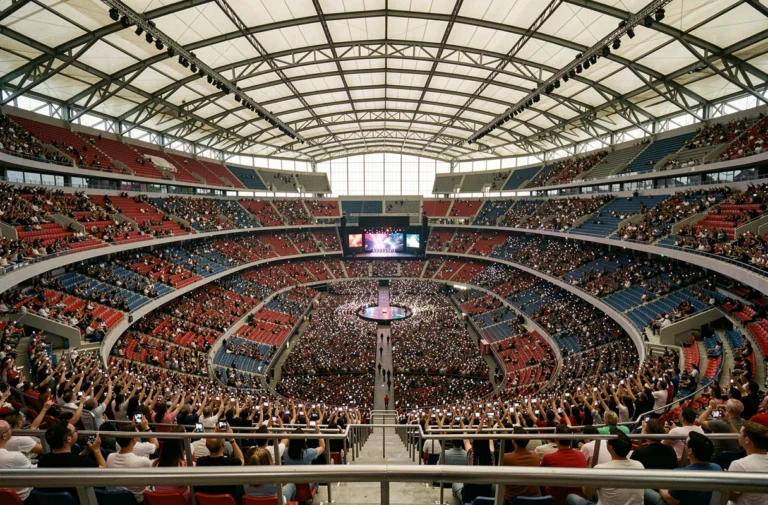
Rennes has a dense media ecosystem, shared between historic regional newspapers, local channels, and digital platforms. Each source covers life in Rennes from a different angle, from sports to politics, culture, and local news. Understanding how these media complement each other, and where they leave gaps, allows for a better grasp of the news in the Breton metropolis.
Fragmentation of Local Information Sources in Rennes
Today, news from Rennes can be accessed through at least half a dozen outlets. Ouest-France, Le Télégramme, actu.fr, the municipal site ICI Rennes Métropole, TVR (the Breton regional television), and several online titles share the daily coverage.
This multiplicity of sources does not imply diversity of angles. Several of these editorial teams draw from the same municipal press releases, the same sports press conferences, and the same judicial dispatches. A reader who checks two or three of these sites on the same day often finds identical topics covered in a similar order.
The platforms that aggregate information on Rennes 17h20 offer a different approach by selecting and prioritizing local news based on relevance rather than the chronological order of publication. This editorial sorting serves as a useful filter against the daily volume of articles produced about the metropolis.
Rennes Sports News: Stade Rennais Captures Attention
Sports occupy a considerable share of local media coverage. Stade Rennais, a Ligue 1 club, alone accounts for the majority of sports articles published each week. Match results, team compositions, transfer news, individual player performances: the club engages the editorial teams of Ouest-France, Le Télégramme, and actu.fr almost daily.
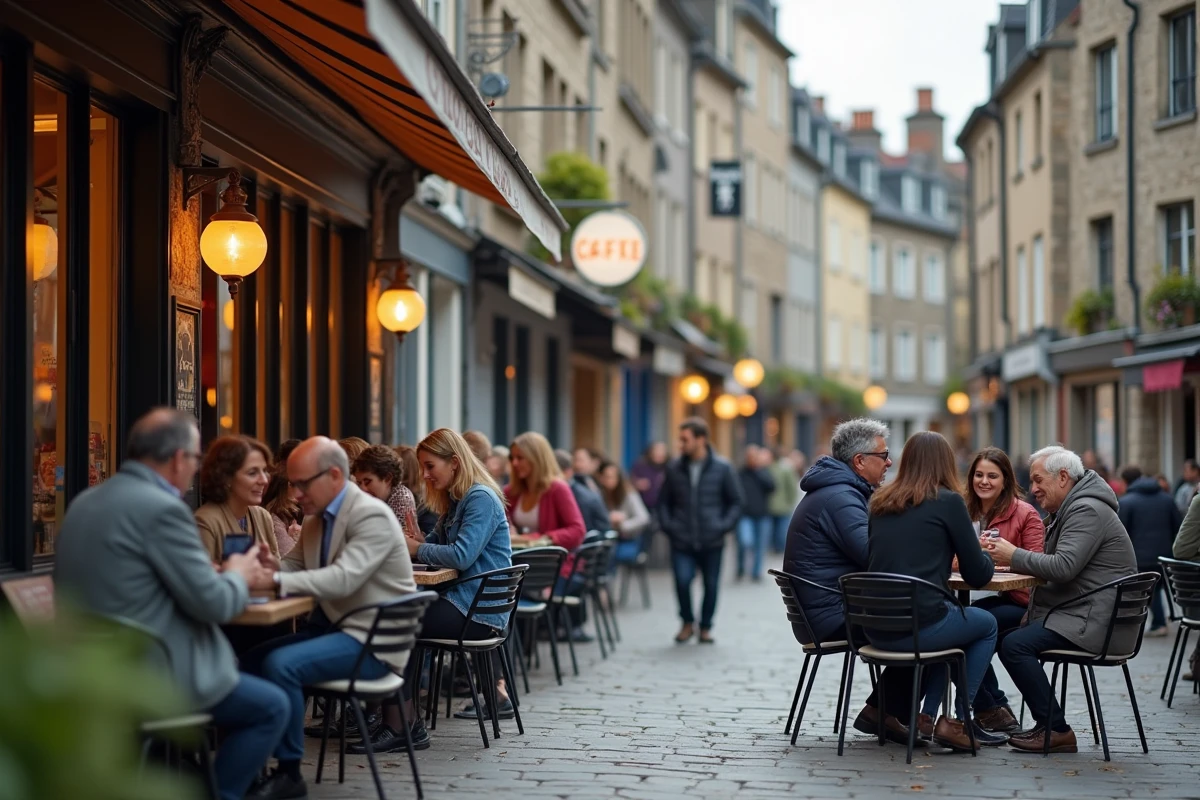
The current season illustrates this polarization. The performances of strikers like Estéban Lepaul, in the running for the title of top scorer in Ligue 1, or the journey of Mousa Al-Tamari, described as the team’s X factor by coach Franck Haise, generate detailed articles and regular tactical analyses.
In contrast, other Rennes sports disciplines remain largely invisible in the news flow. Handball (CPB Rennes in N1F and N1M), archery, or amateur sports receive only sporadic brief coverage. TVR sometimes dedicates a report to these disciplines, but the imbalance remains pronounced.
- Professional football (Stade Rennais, Ligue 1) represents the vast majority of local sports articles
- Rennes handball (CPB Rennes) mainly appears during match results, without in-depth analysis
- Individual and amateur sports (archery, athletics) rely almost exclusively on association websites for visibility
Local News and Community Life: What Rennes Media Cover in Depth
Local news constitutes the second pillar of Rennes news in terms of publication volume. Train accidents, firefighter interventions during weather events, urban incidents: these topics generate high traffic and are subject to real-time follow-up by editorial teams.
The treatment varies by outlet. Le Télégramme and Ouest-France publish detailed articles with testimonies and factual clarifications. In-depth investigations into the local economic life remain rare, although some topics occasionally emerge, such as investigations into the concentration of restaurants in Rennes among a few owners or judicial liquidations pronounced by the commercial court.
Neighborhood life and urban planning issues receive uneven coverage. The case of the Bâtiment à modeler (Bam) in Cleunay, a social experimentation site destined for demolition and which has become a symbol of opposition to neighborhood renovation, shows that a local issue can gain visibility when it crystallizes a conflict between residents and the community.
Digital Formats and New Information Practices in Rennes
The consumption of local news is evolving, and Rennes is no exception to the trend. Editorial teams are multiplying formats: short videos, podcasts, thematic newsletters. The site ICI Rennes Métropole, for example, offers a dedicated podcast section. TVR broadcasts its reports on its web platform and on social media.
The available data does not allow for precise measurement of the respective audience of each source. No recent public report compares the traffic of Rennes news sites with each other. The lack of comparative local audience data prevents knowing whether Ouest-France dominates online as much as in print, or if newer platforms are gaining ground.
Social media play an increasing role in the dissemination of Rennes news. Some local content creators, like this Rennes resident whose intergenerational videos reach a wide audience, illustrate the emergence of alternative voices to traditional media. These contents do not replace local journalism, but they occupy a space that traditional editorial teams struggle to invest.
- Podcasts and short videos are developing among Rennes media, without their audience being publicly measured
- Local newsletters (Ouest-France, actu.fr) segment information by theme or neighborhood
- Content creators on social media cover angles that traditional editorial teams overlook (daily life, testimonies, heritage)
Limitations of Rennes Media Coverage
Despite the density of the offering, several angles remain underrepresented. Local politics is subject to factual articles but rarely to long-term investigations. Decisions from the metropolitan council, budgetary arbitrations, or development projects only elicit in-depth articles when a controversy arises.
The economic dimension suffers from the same deficit. The creation and closure of local businesses are reported, but underlying dynamics (attractiveness of the job market, evolution of the commercial fabric in the city center, impact of remote work on tertiary real estate) are not subject to structured follow-up.
The Rennes media landscape remains rich in volume, but the depth of analysis varies greatly depending on the subjects. Professional sports and local news capture the majority of editorial resources. Issues of local governance, economy, and community life still largely depend on institutional communication for visibility.