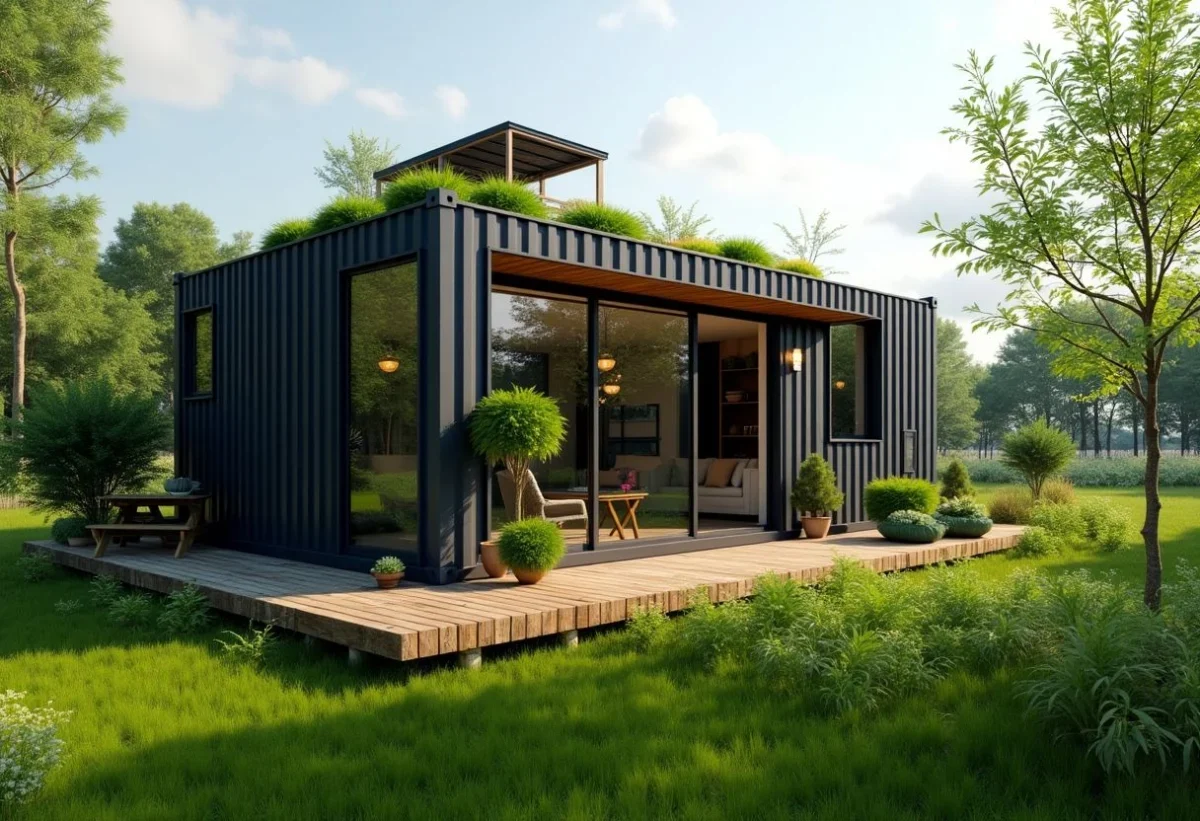
Securing a container to the ground presents numerous challenges but also offers unique opportunities. Whether for residential, commercial, or industrial use, stabilizing a container is essential to ensure its safety and longevity. This involves a precise understanding of structural needs and environmental conditions. A poorly secured container can lead to costly and dangerous complications, highlighting the importance of careful preparation and appropriate technical expertise.
Site Preparation
Before proceeding with the installation, site preparation is essential to ensure a stable and durable base for the container. This includes a series of specific checks and setups.
- Soil Assessment: A stable soil is imperative. Avoid loose or marshy ground. Testing soil compaction can prevent future problems related to settling.
- Clearing the Area: Remove any obstacles from the area, including trees, rocks, and debris. A flat and clean surface is not only safer but also simplifies installation.
- Foundation Preparation: Opt for concrete foundations or concrete blocks to support the weight of the container and evenly distribute the load. This step is crucial to prevent unwanted movement.
Use of Anchoring Systems
Anchoring systems provide a solid and secure hold of the container to the ground. They come in various forms, each with its own advantages depending on site conditions.
Screw anchors are ideal for loose soils, as they penetrate deeply into the ground, providing a firm grip. These anchors are screwed into the ground, and their installation requires specialized equipment. For concrete pads, galvanized steel anchors can be fixed directly to the structure.
These devices offer exceptional resistance to weather and lateral forces.
Climate and Environmental Considerations
Climate and environmental conditions greatly influence how a container should be secured. Ignoring these factors can compromise the long-term stability of the structure.
- Rainfall and Flooding: Choosing a location above potential flood levels is wise. Installing adequate drainage systems around the container prevents water accumulation.
- Strong Winds: For areas prone to high winds, additional anchors may be necessary. Containers should be positioned to minimize wind catch.
- Extreme Temperatures: The metal of containers reacts to temperature variations. Proper insulation protects the integrity of the container and the items it houses.
Regular Maintenance and Inspections
Once the container is secured, the importance of regular checks should not be overlooked. These inspections ensure that the anchors and structure remain in good condition despite changing external conditions.
It is recommended to conduct an annual inspection of the anchoring systems. Check for signs of corrosion or metal fatigue. Identifying problems at an early stage can prevent costly repairs.
As part of maintenance, also ensure that the surrounding ground is not deteriorating. Settling soil can destabilize the container.
This link regarding buying a container shows how important it is to plan the initial location carefully.