Beauty shelves change with every season, but this autumn, the shift goes beyond nail polish colors and foundation textures. Behind the latest product launches, consumer expectations are changing: fewer steps, greater transparency, and European regulations that are beginning to influence formulations. Here’s a look at the beauty and wellness trends that are really making their mark at the end of the year.
Cosmetics regulations in Europe: what’s changing for everyday products
Have you noticed that some skincare products now have shorter ingredient lists? It’s no marketing gimmick. Two European regulatory initiatives are reshaping what goes into your bottles.
The first concerns microplastics in cosmetics. The ban is being phased in rather than introduced all at once: deadlines vary by product category. An exfoliating shower gel is not subject to the same timeline as a foundation containing film-forming polymers. This gradual approach means brands have to reformulate in stages, which explains the changes in texture some users are noticing in products they’ve used for years.
The second initiative concerns substances classified as CMR (carcinogenic, mutagenic or toxic to reproduction). The European Parliament has adopted legislation giving manufacturers more time to adapt their formulations. There is real tension between simplifying regulations and maintaining a high level of protection. To keep up with Blog Beauté news on these topics, it’s a good habit if you want to understand how these rules affect your routine in practice.
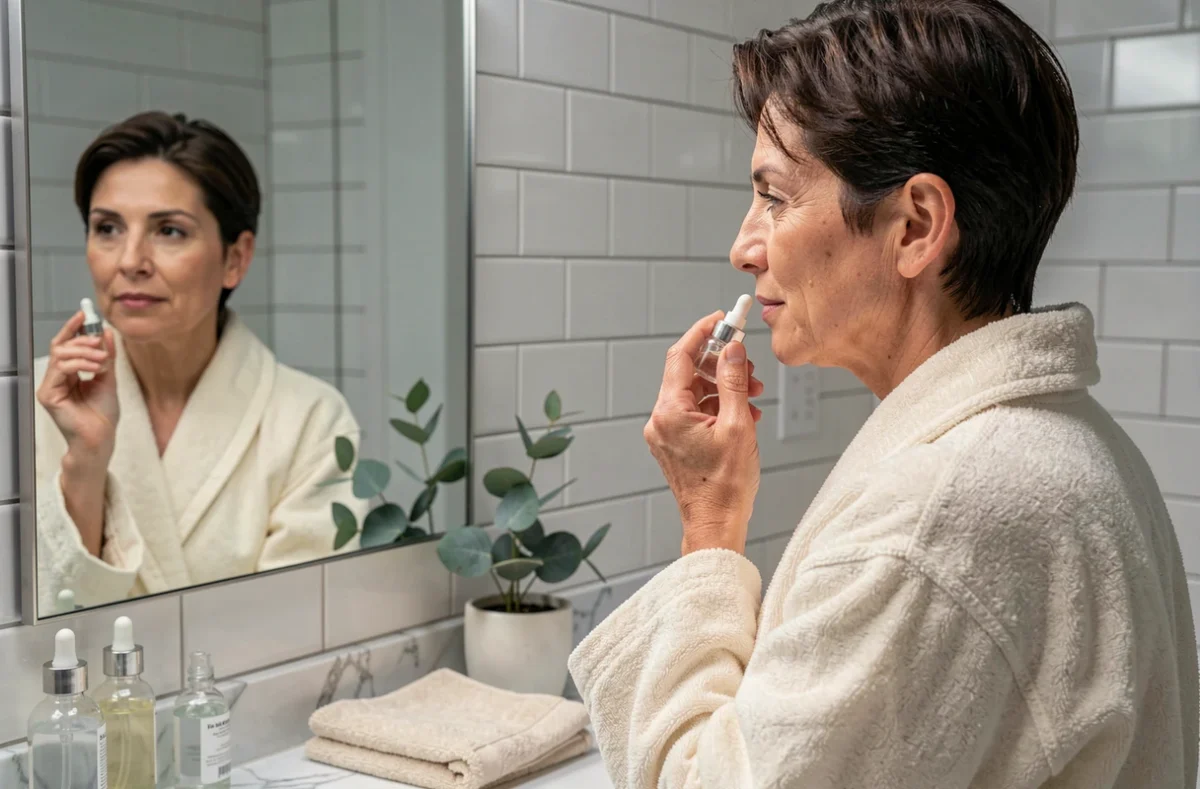
Green claims on cosmetics: an end to ambiguity
Is green packaging with the word “natural” enough to guarantee anything? Not for much longer. A European directive now targets vague claims such as “eco-friendly” or “carbon neutral” when they aren’t backed by verifiable evidence.
Sustainability labels without transparent certification are also under scrutiny. In practice, a brand using a self-awarded “green” logo without independent verification will have to rethink its approach. These stricter rules are pushing manufacturers to document every claim, which should ultimately make it easier to choose products in store.
Before trusting a product that claims to be responsible, consumers should check three things:
- Whether it carries a label issued by an independent organization (Ecocert, Cosmos, NSF), rather than an in-house symbol with no publicly available standards.
- Whether the full INCI ingredient list is easy to read, with no ingredients hidden behind vague trade names.
- Whether the brand’s website provides an accessible report or technical data sheet, even in summary form.
Minimal packaging doesn’t guarantee a clean formula, and vice versa. Transparency is found in the details, not the design.
A simpler beauty routine: fewer products, higher standards
“Skinimalism” is no longer just a magazine concept. French consumers are actually cutting down on the number of products in their bathrooms. Skincare routines are getting simpler, but expectations for each product remain high.
What guides purchasing decisions today is carefully reading ingredient lists. Ingredient analysis apps (Yuka, INCI Beauty) have become everyday tools, just like advice from a pharmacist. The first step in a morning beauty routine is now scanning the bottle.
Why the shift? Because simplifying your routine doesn’t mean lowering your standards. A well-formulated serum can replace three mediocre products. One well-chosen multitasking product is better than an overcrowded shelf. The same approach is shaping makeup: foundations enriched with skincare ingredients, tinted lip balms with SPF, and mascaras containing peptides.
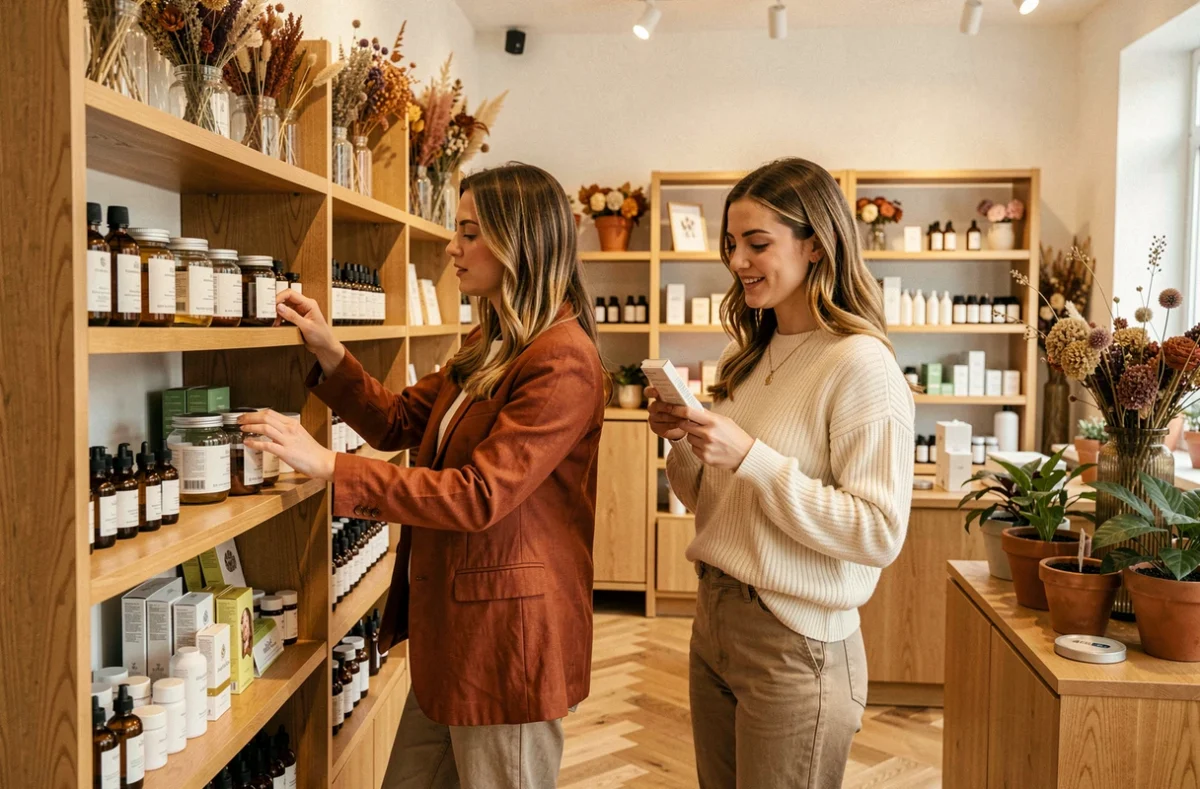
Hair and makeup: this autumn’s trends
In makeup, “frosty makeup” is dominating searches. The idea is to use icy textures on the eyelids and cheekbones to catch the cool winter light. Silver and blue metallic finishes are replacing summer’s gold tones.
For hair, the Parisian bob remains the most requested cut. Short, structured and easy to style at home, these bobs appeal to those looking for practicality as much as a particular look. Searches for this cut have surged in recent weeks.
For nails, classic autumn shades (burgundy, plum and brown) are sharing the spotlight with chrome finishes and minimalist nail art. Manicures are becoming a quick way to express yourself, and cost less than updating your wardrobe.
Responsible beauty: what French consumers are really buying
Green beauty is appealing, but purchasing habits reveal a more nuanced picture. Consumers aren’t flocking to bulk-buying or zero-waste products. Instead, they’re choosing practical changes that fit into everyday life: a solid shampoo bar instead of a plastic bottle, or a reusable makeup remover pad instead of disposable cotton rounds.
Convenience comes before activism. An eco-friendly habit that makes a routine more complicated is unlikely to last. The brands making progress are those offering responsible alternatives that are just as easy to use.
- Perfume and skincare refills are gaining ground in French stores, driven by both economic and environmental benefits.
- Short formulas (with fewer than ten ingredients) appeal to consumers tired of long ingredient lists.
- Pharmacy advice remains a trusted way to discover committed skincare brands, away from the noise of social media.
This season’s beauty and wellness trends have one thing in common: consumers are taking back control. Fewer products, more scrutiny of ingredients, and a demand for proof when a brand claims a benefit. European regulations are moving in the same direction. The next step will probably be to see the last of the empty claims disappear from packaging, replaced by verifiable information.