The ancient man decorated the interior walls of his own home in various ways, using cladding materials such as wood, applying plaster, using fabrics to create curtains and drapes, and of course also through mural painting, like frescoes.
By the 12th century, Europe began importing paper from China and in a short period of time, it was also used for wall decoration.
The first experiments with applying paper to the walls of the home were quite rudimentary; it would take until the 1700s for wallpaper as we know it today to emerge, although decorations were still done by hand. In the 1800s, wallpaper began to be produced using industrial techniques, thus allowing for its use by an increasingly larger user base.
The history of wallpaper and its evolution over the centuries is truly very interesting and continues today, with the use of increasingly innovative materials.
Index
- Wallpaper materials
- How much does wallpaper cost
- Different styles of wallpaper
Wallpaper materials
Despite its name, not all wallpaper is made of paper; in fact, in many cases, particularly when we talk about contemporary solutions, it is made from other materials that are certainly more versatile and easier to apply and clean.
The classic wallpaper, that of grandmother’s house, will most likely be made of natural cellulose (thus actually paper). A long-lasting material that can be decorated with some ease, but with a few limitations.
Vinyl wallpaper represents an evolution in which the paper layer is covered with PVC, making it waterproof and for this reason can be used, for example, even in the kitchen or bathroom, without problems due to humid environments.
Non-woven wallpaper uses textiles such as linen, cotton, silk, or jute that are easily applied to plasterboard or concrete and require little maintenance to last over time.
There is also fleece wallpaper, a material that provides good thermal and acoustic insulation and also helps to mask small imperfections in the wall.
70s Wallpaper How much does wallpaper cost
When you think about using wallpaper to furnish your home, it is undoubtedly important to also consider its costs.
Wallpaper can have higher costs (purchase and application) than regular paint, but if you choose high-quality products and materials suited to your needs, they can have distinctly greater durability and thus prove to be a good investment over time.
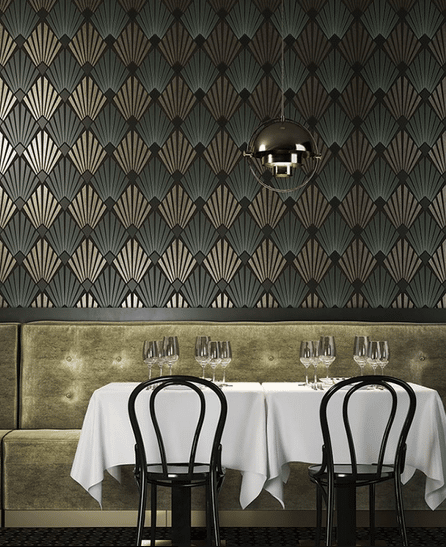 70s Wallpaper
Based on the material and design chosen, wallpaper can have a price per m², and it is then necessary to account for the glue and the intervention of a craftsman for proper positioning. It is always a good idea to request quotes to get an idea of the figure needed to achieve what we have in mind.
Different styles of wallpaper
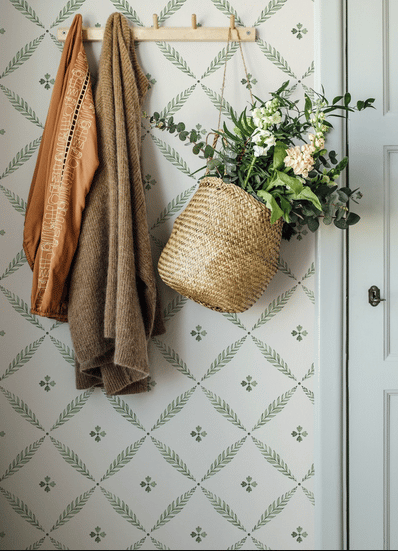
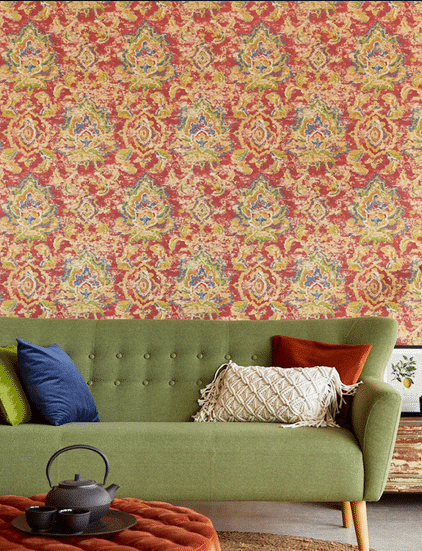
The classic wallpaper is often characterized by geometric or floral patterns, allowing you to create sophisticated environments in line with tradition, but if you dare a little with colors and materials, it can also be very original and modern.
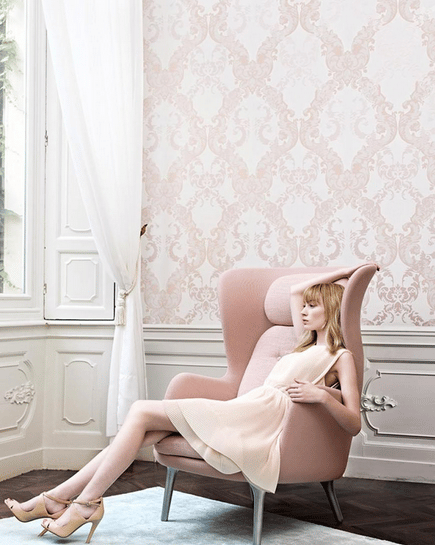
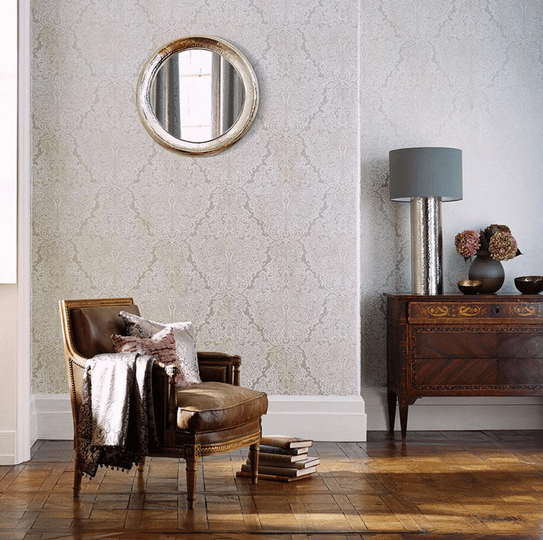
Siemara – 70s Wallpaper Among the baroque or art-inspired fantasies, wallpaper with a classic taste can always provide great satisfaction, especially if you do not necessarily use it on all the walls of the house, but to highlight and enhance a certain functional area. A modern use of wallpaper (even if classic) can add value to any space, giving rhythm, color, and personality to your home.
Modern wallpaper allows you to have great freedom in choosing traditional patterns, which may remind you of English style or give our interior a country or perhaps shabby chic atmosphere, but you can also opt for geometric patterns or perhaps splashes of color that transform our home into a sort of contemporary art gallery. Another option is to create your own custom wallpaper, printing in large format and high quality any subject, like our favorite image or the photo we took during a memorable trip to the tropics. In this case, for a particularly scenic effect, we can apply the wallpaper with the subject we chose on one wall or in areas that will create a sort of theatrical scenes. The only limit is one’s own imagination.
Tag : how to apply wallpaper explained