Comparing shoe-producing countries involves measuring parameters that vary according to the targeted segment: labor costs, artisanal know-how, industrial capacity, quality of raw materials, and logistical flexibility. Each production area excels in one or two of these criteria, rarely in all at once. This article analyzes the concrete gaps between the main manufacturing countries to identify which one corresponds to each level of requirement.
Criteria for Selecting a Shoe Manufacturing Country
Before comparing countries, it is essential to establish the variables that determine the perceived quality of a shoe. The choice of leather or synthetic materials, the share of manual labor in assembly, the rigor of quality controls, and the geographical proximity to the sales market each play a distinct role.
- Quality of raw materials: a country that locally processes its leather or develops innovative materials (recycled fibers, grape waste) offers superior control over the finished product.
- Workforce skill: the generational transmission of know-how, common in Southern Europe, ensures a finish that automation alone cannot replicate.
- Ability to manage design complexity: some countries, notably China, stand out for their ability to produce technical models (sports shoes, safety shoes) with considerable volume flexibility.
- Environmental and social standards: compliance with European regulations or CSR standards increasingly weighs in the choices of Western brands.
By cross-referencing the origin of Pataugas and Geox shoes with available sector data, it is observed that most major brands distribute their production across several countries according to the range.
Comparative Table of Shoe-Producing Countries

This table summarizes the characteristics of each major manufacturing country based on the criteria that directly influence the final quality.
| Country | Dominant Segment | Main Strength | Main Limitation |
|---|---|---|---|
| Italy | High-end, luxury | Artisanal know-how, premium leather | High production cost |
| Portugal | Mid-high range | Innovative materials, responsible production | More limited industrial capacity |
| France | Short runs, reshoring | Industrial modernization (e.g., site in Ardèche) | Low production volume |
| China | All ranges, sports | Flexibility, volume, technical complexity | Variable quality perception depending on subcontractor |
| Vietnam | Sports, quality export | 2nd largest global exporter, rapid upgrading | Dependence on foreign contractors |
| Spain | Mid-range | Leather tradition, proximity to European market | Decline of the industrial fabric in recent decades |
Reading this table reveals a clear divide between countries that focus on volume and those that position themselves on the added value per unit produced.
Vietnam and China: Sports Shoe Manufacturing and Industrial Capacity
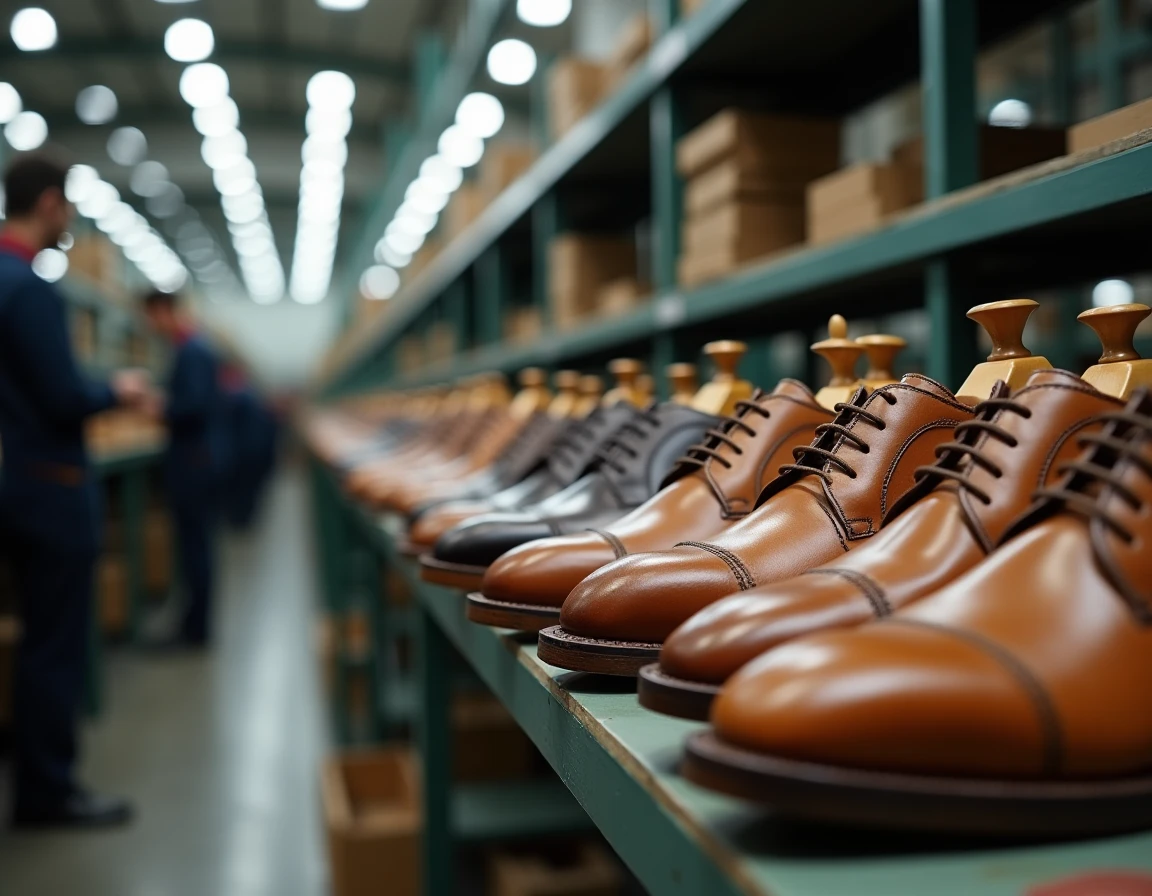
China remains the world’s leading manufacturing power in footwear, across all segments. Its strength is not limited to low prices: China manages design complexity and delivery times better than most competitors, which explains why premium sports brands maintain a share of their production there.
Vietnam, for its part, has risen to become the second largest global exporter of shoes. This rapid progression is due to massive investments in production lines and the establishment of international groups that transfer their technical know-how there. In the sports shoe segment, Vietnam now competes with China in terms of assembly quality.
However, both countries remain dependent on an export-oriented model. Raw materials (high-quality leather, technical textiles) are often imported, which limits control over the upstream supply chain.
Italy and Portugal: Leather, Know-How, and Responsible Materials
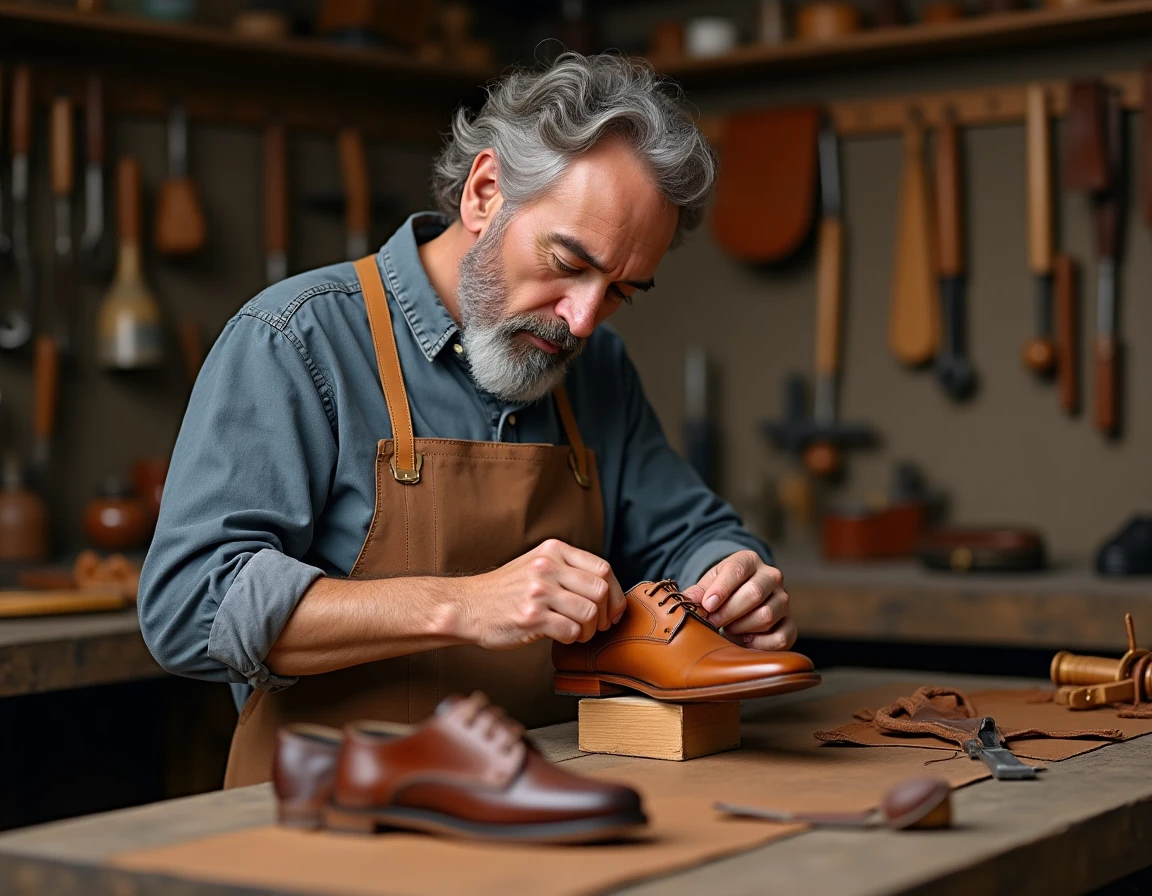
Italy has occupied the top of the luxury shoe market for decades. The manufacturing tradition is passed down from generation to generation, and Italian leather remains the global reference for high-end models. Italian workshops combine manual labor and finishes that automation cannot replace. The price reflects this requirement: producing in Italy is significantly more expensive than in Portugal or Spain.
Portugal distinguishes itself with a different positioning. Portuguese manufacturers develop sneakers from recycled materials and grape waste, placing the country at the forefront of responsible shoe production focused on innovative materials. For brands seeking a balance between European quality, controlled cost, and environmental commitment, Portugal today represents the most coherent compromise.
In contrast to Italy, which targets pure luxury, Portugal attracts mid-high range brands that want to showcase European manufacturing without bearing Italian costs.
France: Reshoring and Short-Run Shoe Manufacturing
France is rarely mentioned among the major manufacturing countries, but it is re-entering the conversation thanks to ambitious industrial projects. The site presented as the most modern shoe manufacturing factory in the world, located in Ardèche, illustrates a reshoring strategy based on automation and upgrading.
This model does not aim for mass production. It targets short runs, limited editions, and brands that want an authentic “made in France.” The capacity remains modest compared to China or Vietnam, but France demonstrates that a country with high labor costs can become competitive in high-value-added niches.
The choice of manufacturing country depends on the targeted market segment. For luxury and high-end leather, Italy has no equivalent. For responsible production at an intermediate cost, Portugal positions itself as the most credible European alternative. China and Vietnam dominate in volumes and technical sports footwear.
France is carving a narrow but promising path in reshored short runs. No country excels in all criteria at once, which explains why most brands distribute their production across multiple geographical areas.